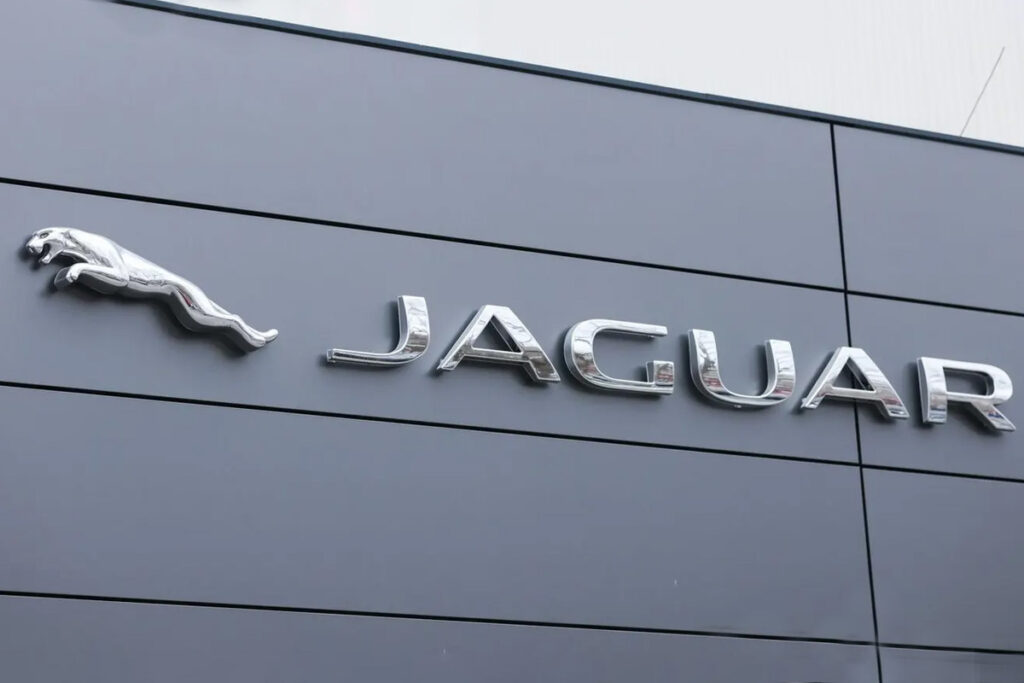
Jaguar’s radical rebrand, complete with a new logo and a futuristic promotional video, is making waves—and not all the attention is positive. Scheduled to officially debut during Miami Art Week on December 2, the rebrand includes the unveiling of Jaguar’s new electric GT model, marking a significant step in the brand’s transition to an all-electric future. However, early promotional materials have ignited online criticism, with many questioning the direction of the iconic British luxury car brand.
A Bold Vision: “Copy Nothing”
Jaguar’s rebranding campaign is centered around the slogan “Copy Nothing,” signaling a desire to break from convention and stand out. The promotional video shared on platforms like X (formerly Twitter) and Instagram, showcases models in vividly colored, futuristic outfits walking through a surreal, alien-like landscape. The tagline “Break Moulds” reinforces the campaign’s avant-garde approach.
The reimagined Jaguar logo—including an updated, stylized “leaper” jaguar—further reflects the brand’s effort to leave behind traditional automotive branding in favor of a modern, artistic aesthetic. But this bold departure has left some enthusiasts scratching their heads.
Criticism Mounts: “Where Are the Cars?”
The absence of a car in the promotional video has drawn sharp criticism. Social media users expressed confusion and disappointment, questioning how the campaign connects to Jaguar’s legacy as a maker of elegant, high-performance sports cars. Even Elon Musk, the owner of X, chimed in with the cutting remark, “Do you sell cars?”
Critics have also aimed at the new logo, which some feel abandons Jaguar’s classic heritage in favor of a design that fails to resonate with its core audience. Charles Taylor, a marketing professor at Villanova University, argued that Jaguar’s decision to pivot away from its established image as a luxurious British sports car brand might alienate potential buyers.
“If they came back with a really good electric vehicle, they could build on their prior image as opposed to throwing out the heritage of the brand and going in this kind of direction,” Taylor said. “It’s hard to see how the market of people that would like that approach is large enough for them to thrive.”
Lessons from Rebranding Missteps
Rebranding can be a powerful tool for reinvention, but it’s fraught with risk. History offers cautionary tales: Tropicana’s ill-fated 2009 logo change led to a swift reversal after consumers rejected the redesign. Similarly, Radio Shack’s rebrand to “The Shack” in 2008 alienated loyal customers, contributing to the company’s eventual bankruptcy in 2015.
While brands like Airbnb and Instagram have successfully updated their logos to stay relevant, Jaguar’s attempt to revolutionize its image appears to be teetering on the edge of success and alienation. The challenge lies in striking a balance between innovation and honoring the brand’s storied legacy.
What’s Next for Jaguar?
As Jaguar transitions to an all-electric future, the upcoming launch of its electric GT model at Miami Art Week will be a pivotal moment. Whether the rebrand will win over critics or deepen the divide remains to be seen. For now, Jaguar’s bold move to “delete the ordinary” has certainly captured attention—but whether it’s the right kind of attention is up for debate.